How to Introduce a Therapy Dog to Students Before Their First School Visit
This week, I’m introducing Maybel and Blanche to the students at my new school—but the dogs aren’t actually coming with me yet.
That may sound a little backwards, but one of the most important things I’ve learned about bringing therapy dogs into a school is that preparation matters.
It’s very hard to teach a room full of excited children how to behave around a therapy dog when there is an adorable therapy dog standing right in front of them!
This is my second time starting a school therapy dog program, and I’m doing some things differently this time. Not because the first program wasn’t successful, but because experience taught me things I simply didn’t know the first time around.
What I’m doing Differently the Second Time Around
At my last school, I did a presentation with the students about the rules and expectations for having a therapy dog at school. At the time, I felt pretty prepared.
Looking back now, I realize there were things I simply couldn’t have known until I had actually done it.
This time, I’ve been much more intentional about the entire introduction—not just introducing the dogs to the students, but introducing the school to the dogs and the dogs to the whole school community. That includes staff, parents, students, and, most importantly, the dogs themselves.
First, I Let Maybel Meet the School
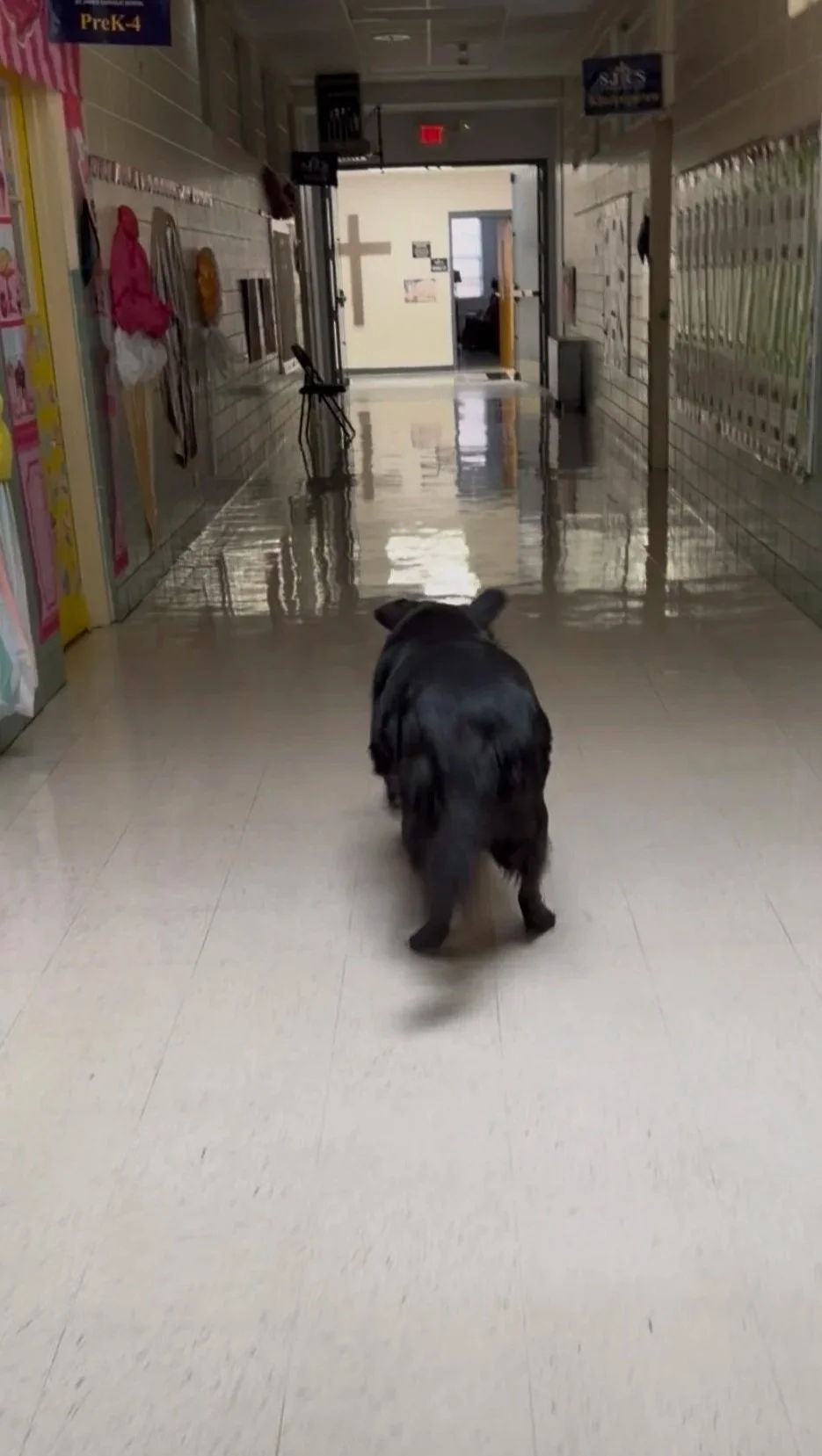
Before the school year started, I brought Maybel to the school when very few people were there. I wanted her to have a chance to explore the building without a crowd of people around her.
I let her take her time sniffing and exploring the new environment. She was excited, energetic, and clearly interested in everything around her. By the time we left, she seemed ready to come back and meet the students.
Once my dogs have been at a school for a while, I usually don't bring them with me during the summer. They hate it! There isn't much for them to do, and they get bored waiting around while I work. But when you're introducing a therapy dog to a completely new school, I think that first quiet visit is important. It gives the dog a chance to experience the sights, sounds, and smells of the building without also having to manage the excitement of meeting everyone at the same time.
Next, I Introduce the Program to the Staff
One of the next things I did was bring Maybel to our beginning-of-the-year professional development so the staff could meet her before the students did.
I think this is such an important part of getting a therapy dog program started. Staff get to meet the dog, see her temperament for themselves, ask questions, and usually get pretty excited about having her at school. Staff buy-in matters.
I also use this time to go over the rules and expectations for both staff and students. But there is one thing I make very clear from the beginning: the dog comes first.
If Maybel or Blanche tells me she's tired, overwhelmed, or simply done for the day, she's done. It doesn't matter what is on the schedule or who was hoping for a visit. Part of my responsibility as their handler is listening to them and advocating for them.
This has become one of my non-negotiables: always advocate for your dog.
Let Families See the Program, Too
I also brought Maybel to Meet the Teacher so students and parents could see her before she officially started visiting classrooms. I stayed with her and supervised the interactions, which gave families a chance to see her temperament and how I handle her at school.
I like doing this because it gives everyone a preview of the program without making it a big event. Students get excited about seeing her again, parents can ask questions, and Maybel gets another opportunity to experience the school with me right there beside her.
I Don’t Rush Into Classroom Visits
Even after all of those introductions, I don't immediately start taking the dogs into classrooms. I usually wait about three weeks after school begins.
By then, students are settling into their routines, teachers have established their classrooms, and the excitement of the first few days has calmed down. That's when I open my calendar and let teachers schedule a therapy dog presentation.
What that presentation looks like depends a lot on the age of the students.
For the Little Ones, Keep It Simple-and Practice
For my Pre-K through first-grade students, I keep the presentation short and very age appropriate. I show them pictures of Maybel and Blanche, talk about a few simple rules, and then we practice.
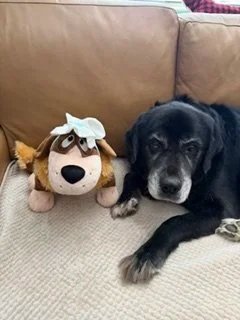
This is where my stuffed dog comes in. Instead of just telling young children how to interact with a therapy dog, I let them practice what to do. We talk about how to approach, asking before petting, using gentle hands, and giving the dog space when she needs it.
Having something they can actually practice on makes a huge difference. They stay interested because they have something to do, and I can see whether they understand the rules before Maybel ever walks into the room.
I also tell them ahead of time that if we aren't able to follow the rules when Maybel visits, she will go back to my office and we can try again another day. That isn't a punishment. It's part of my job as her handler to make sure she feels safe and comfortable.
Older Students Are Ready for More
With my students in second-through sixth grade, I can go into more detail. We talk about Maybel and Blanche's backgrounds, their DNA results and breeds, and why some of our rules are important instead of simply telling them what the rules are.
I also talk about the fact that Maybel and Blanche have very different personalities. Blanche is more nervous and needs a little more patience and kindness, while Maybel is usually ready to jump right into things. I want students to understand that dogs are individuals, just like people are.
We talk about why the dogs need rest, why I sometimes have to say no to a visit, and some of the ways Maybel and Blanche can be part of our school. The older students usually ask great questions, and those conversations often lead into bigger topics like dog safety, kindness, rescue dogs, and respecting animals.
I usually end by showing them a picture of my entire pack—all six dogs—which they find fascinating!
Teach Students That the Dog Gets a Choice, Too
One of the most important things I want students to understand is that a therapy dog isn't a stuffed animal, a reward, or something that is always available just because she's at school.
The dog gets a choice, too.
Sometimes she needs space. Sometimes she needs a break. Sometimes she may be finished for the day. Teaching students to recognize and respect those needs is just as important as teaching them how to pet her appropriately.
Not Every Child Has to Interact
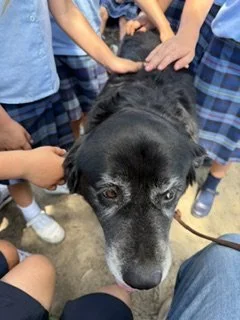
Not every student is comfortable around dogs, and that's okay. Some children are afraid of dogs, some have allergies, and some simply aren't interested in interacting with them.
I never want a student to feel like they have to pet Maybel or Blanche just because they're at school. A child who is nervous can watch from a distance, stay on the other side of the room, or choose not to interact at all.
I've found that some nervous students become more comfortable over time simply by seeing the dogs around school and watching how they interact with other students. If they eventually decide they want to get closer, we let that happen at their pace.
A therapy dog program has to work for the students who can't wait to see the dog and for the students who would rather keep their distance.
The First Real Visit Doesn’t Have to Be a Big Event
After all of that preparation, the first actual visit can be pretty simple.
I would much rather have a short, calm, positive first experience than try to do too much at once. There will be plenty of time later for reading with the dogs, classroom activities, special events, and all the other things a therapy dog can bring to a school.
For that first visit, my goal is simply for the students and the dog to feel comfortable with each other.
The Biggest Lesson I’ve Learned
When I started my first school therapy dog program, I thought being prepared meant having rules, expectations, and a presentation ready for the students.
Those things are important, but experience has taught me that preparation starts much earlier than that.
It means giving the dog time to explore a new environment. It means getting staff on board, letting families see the program, waiting until students have settled into their routines, and changing the way you teach expectations depending on the age of the children.
Most importantly, it means paying attention to what your dog is telling you and being willing to say no—even when someone really wants a visit.
A school can be an incredibly rewarding place for a therapy dog, but it can also be a lot. There are bells, noise, crowds, excited children, and constant opportunities for interaction. As handlers, it's our responsibility to make sure our dogs aren't just doing good work—they're enjoying it, too.
A successful school therapy dog program shouldn't just be good for the students and staff. It has to be good for the dog, too.
And that begins long before the first classroom visit—with preparation.

Thinking About Starting a School Therapy Dog Program?
If you're thinking about bringing a therapy dog into your school, I hope sharing some of what I've learned makes the process a little easier.
I've created free forms, checklists, and other resources through Paws With a Purpose to help schools work through some of the practical pieces of starting a program. I've also put much of what I've learned from building and running school therapy dog programs into my book.
My goal with both is simple: to share the things I wish I had known when I started and help schools create programs that are positive for the students, the staff, and the dogs.
